

Many thanks to visitor Tiesha Jenkins for contributing photos/comments, and inspiring this blog post!
Petrified dragons sit at the crossroads of geology, imagination, and reflections between myth and the natural world.
Do You See What I See?
According to Psychology Today (I loved reading this magazine in my twenties):
Pareidolia is a phenomenon wherein people perceive likenesses on random images—such as faces, animals, or objects on clouds and rock formations.
It is not a clinical diagnosis nor is it a disorder.
Pareidolia has long played a role in folklore.
An example is the legend of the rabbit in the moon, which is common to many ancient cultures.
Fossilization vs. Petrification
What’s the difference between these two processes?
Fossilization refers to any process by which organic material leftover by a once-living organism is preserved after the organism becomes deceased.
Petrification can be classified as a form of fossilization, and is the process by which organic material is slowly and holistically turned to stone throughout the entire structure of the organism.
Source: FossilEra.com
Petrified Dragon (terminology)
So that brings us to the petrified dragon, which is a modern folkloric term used when a natural rock formation, fossil-like texture, or mineral pattern resembles the remains of a dragon turned to stone.
In contemporary folklore, a petrified dragon could also refer to any stone or natural formation whose cracks, colors, or silhouette evoke the ancient body of a dragon turned to stone.
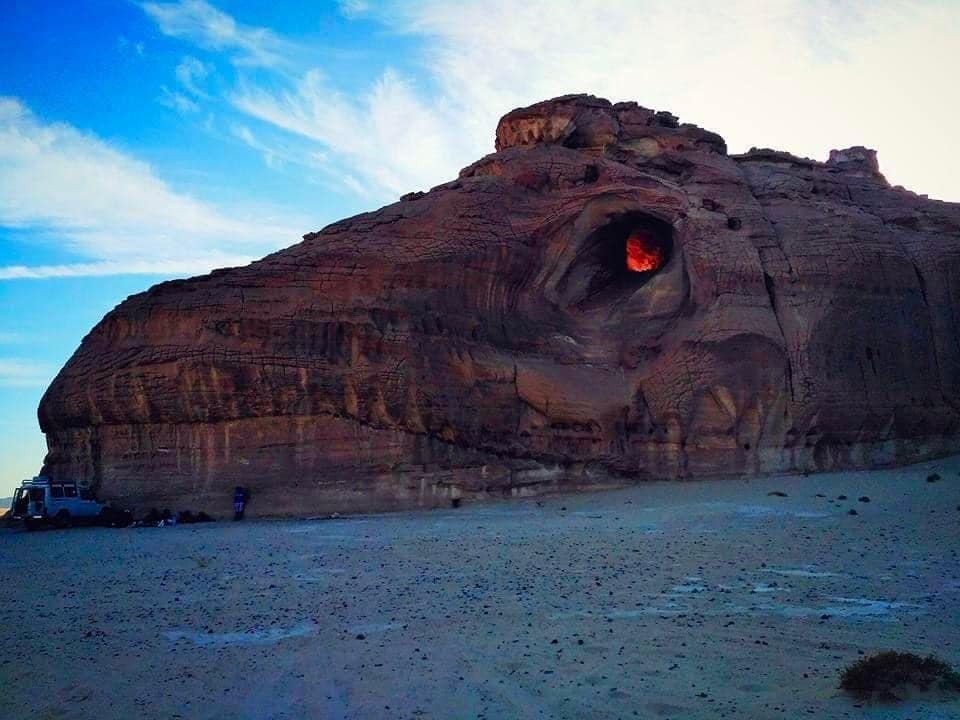
It blends geology with mythology.
While the “petrified dragon” term isn’t a scientific category, it’s a mythical term people use when a rock, cliff, or mineral formation looks uncannily like a dragon’s body, scales, bones, or blood‑veined remains.
These formations often show:
- Red or iron-rich cracks that resemble blood vessels
- Gold flecks or quartz seams that look like embedded treasure
- Weathered shapes that mimic snouts, wings, or curled bodies
- Fossil-like textures that feel ancient or creature-coded
Today, the term shows up in folk imagination, Instagram finds, fantasy gaming, and tourism sites that highlight dragon-shaped cliffs or stones.
Here are several that I came across online, including a visitor contribution and one of my own recent sightings.
1. The Oregon Coast’s “Petrified Dragon”
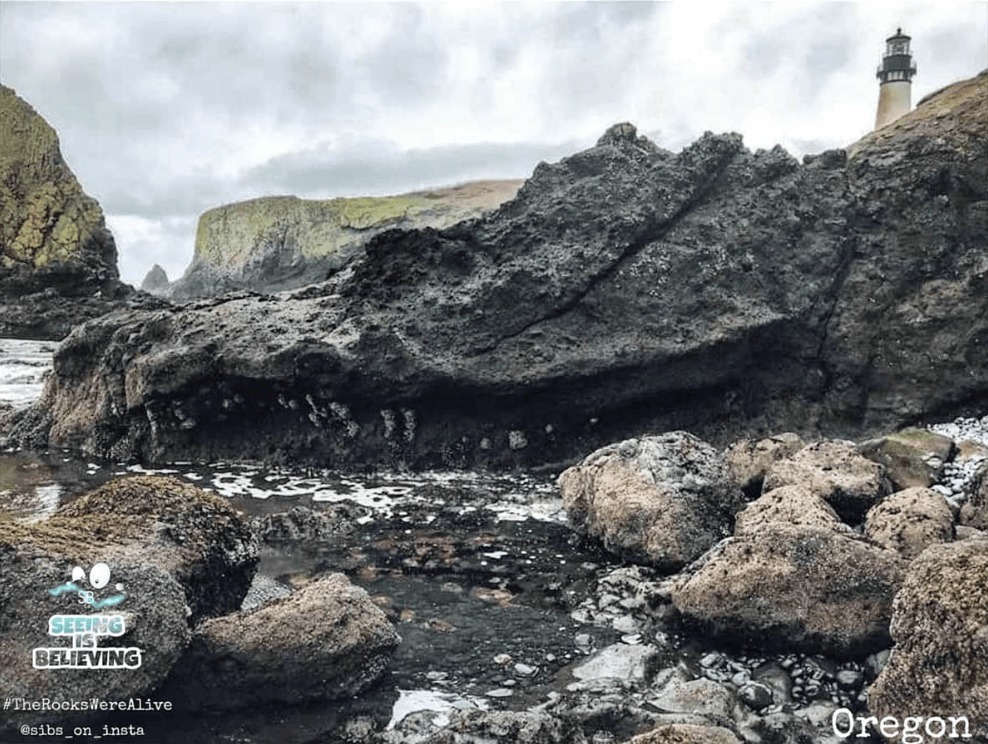
@sibs_on_insta wrote in June 2020:
“Found this Petrified Dragon a few months back. It’s situated on a secluded beach on the Oregon Coast.”
2. Petrified Dragon Bone in Dark Souls II
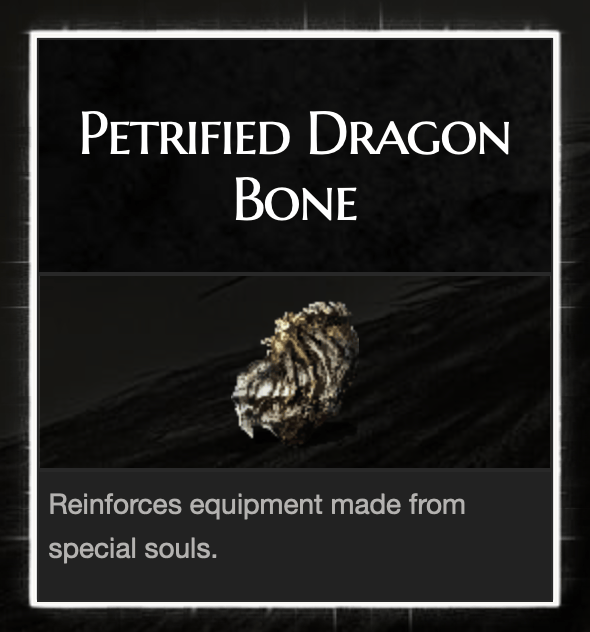
This is the action-fantasy-RPG version of the concept, through an item that imagines what a dragon’s remains might look like.
In the Dark Souls II game, petrified dragon bone is a rare upgrade material used to reinforce unique weapons and armor. It is essential for upgrading high-tier equipment.
Sources:
3. The Phu Langka “Resting Dragon Rock” (Thailand)
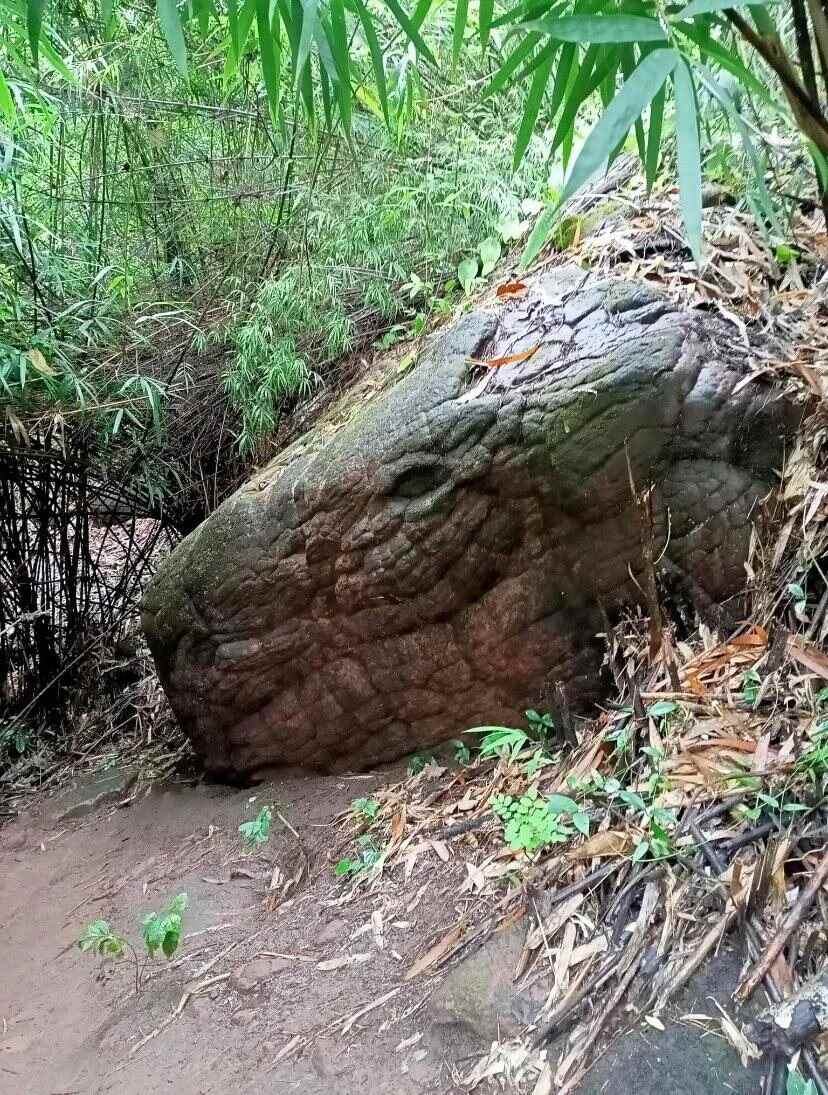
This one is more of a dragon-shaped rock.
This rock has become a popular tourist destination for those trekking through Thailand and who want to hike to see it for themselves.
Phu Langka National Park is situated in the northeastern region of Thailand and is close to the Laos border.
READ MORE: My Naga/Laos dragon sketch
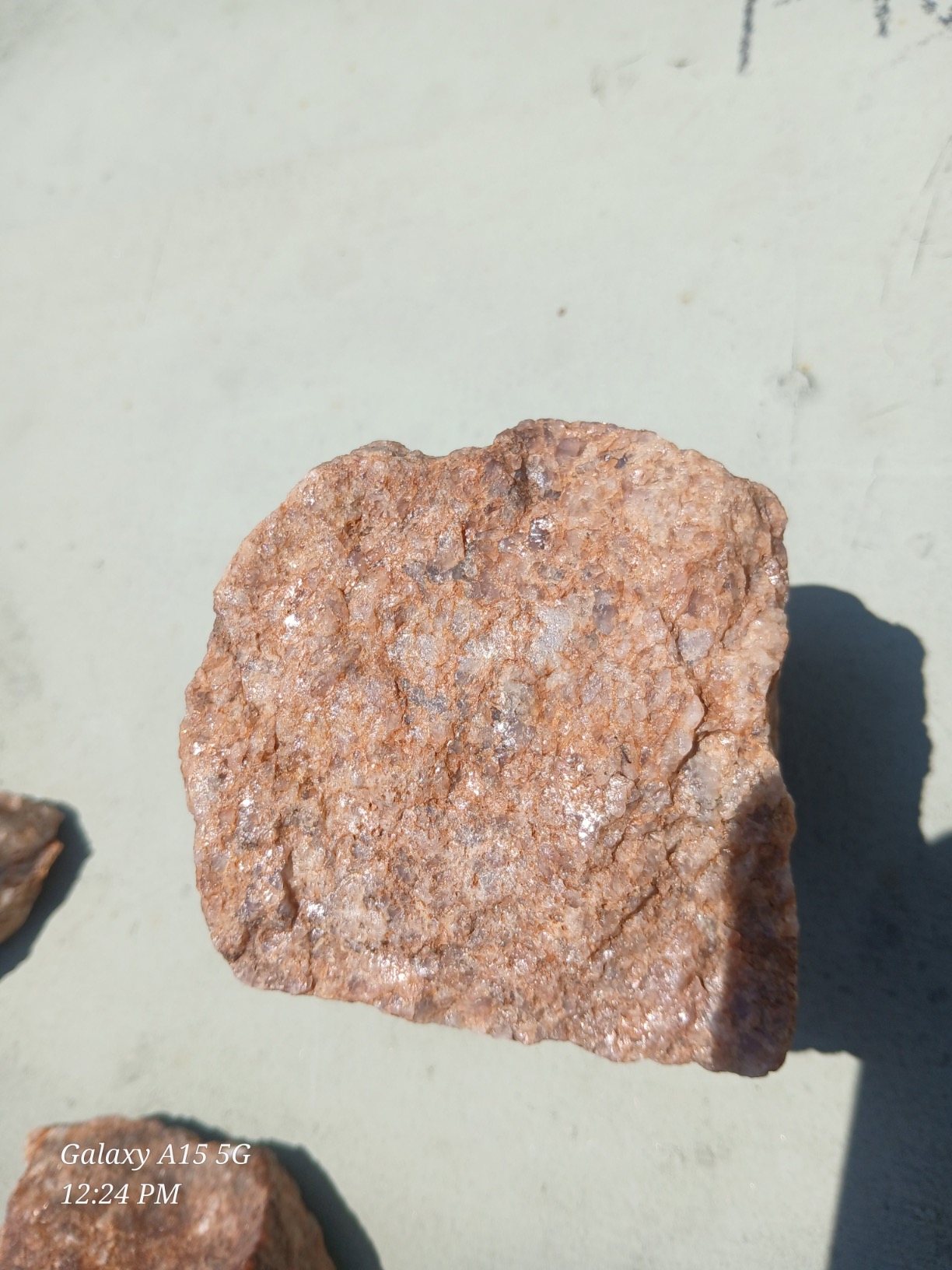
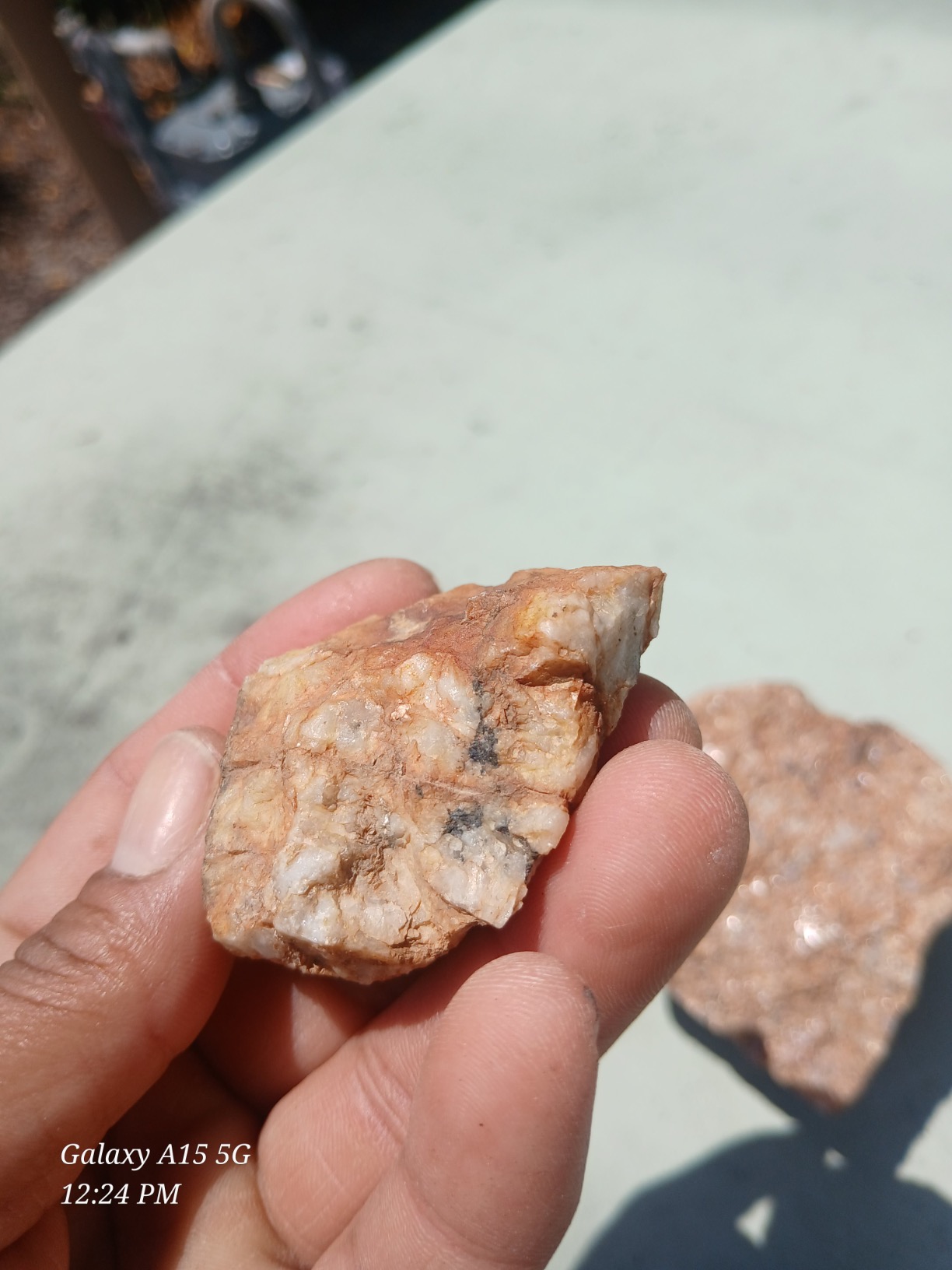
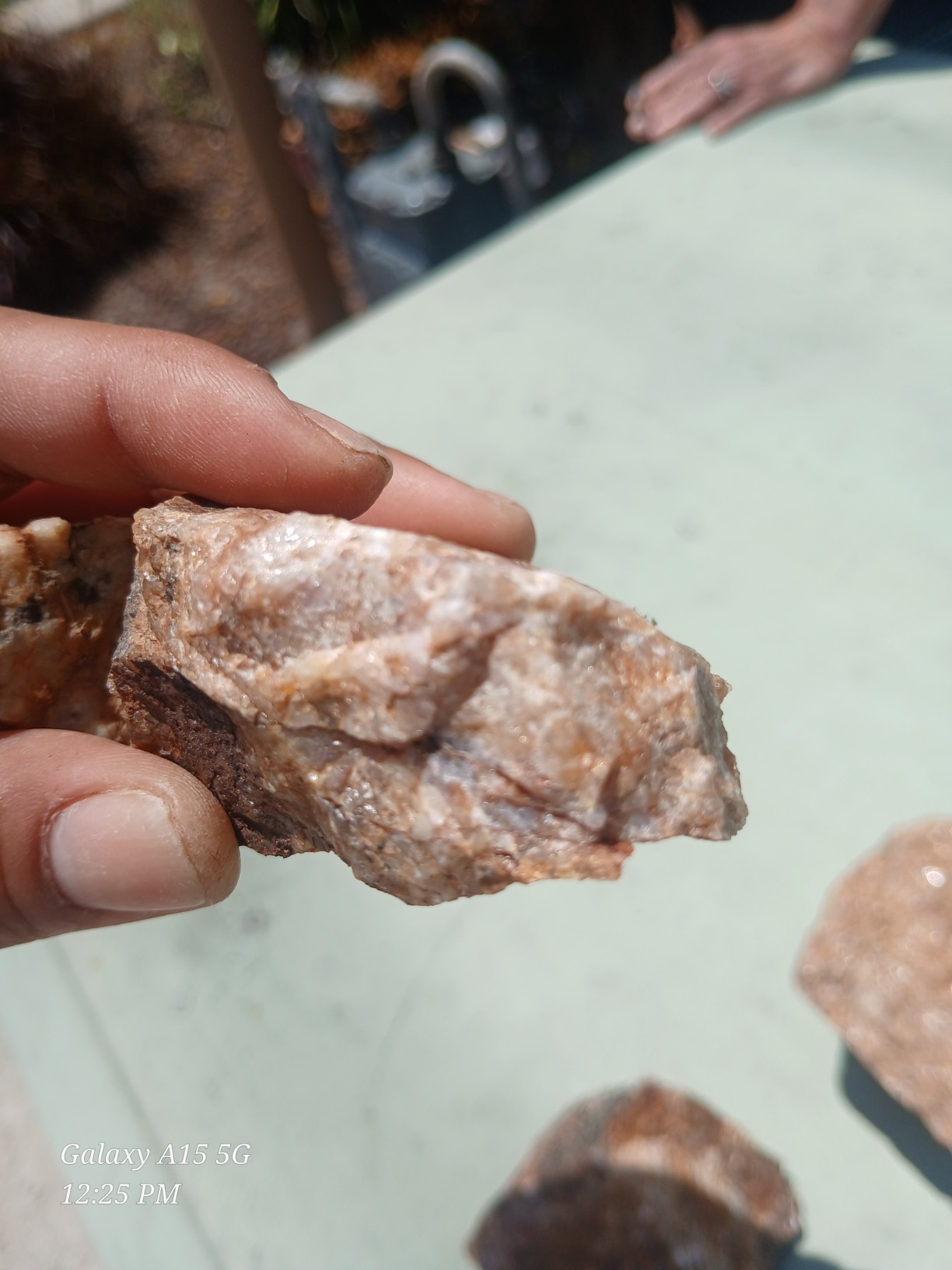
4. Petrified Dragon Pieces (from abandoned mine)
Thanks to website visitor Tiesha Jenkins for sending in these photos! ⭐
Tiesha says:
“I want to start by saying I believe in dragons, past and present.
I took a trip up to an abandoned mine in my area and I believe I found pieces of petrified dragon.
This mine produced a lot of gold, which dragons love. There are even specks of this along with dried blood and vein lines.
I also have other interesting original theories that tie into that. I’ve made the dragon fragments into art with my copper jewelry and resin, or as a healing tool. I think the dragon fragments hold a high frequency and healing powers.
I’m obsessed with dragons.”
5. Dragon Bone (or Tooth?)
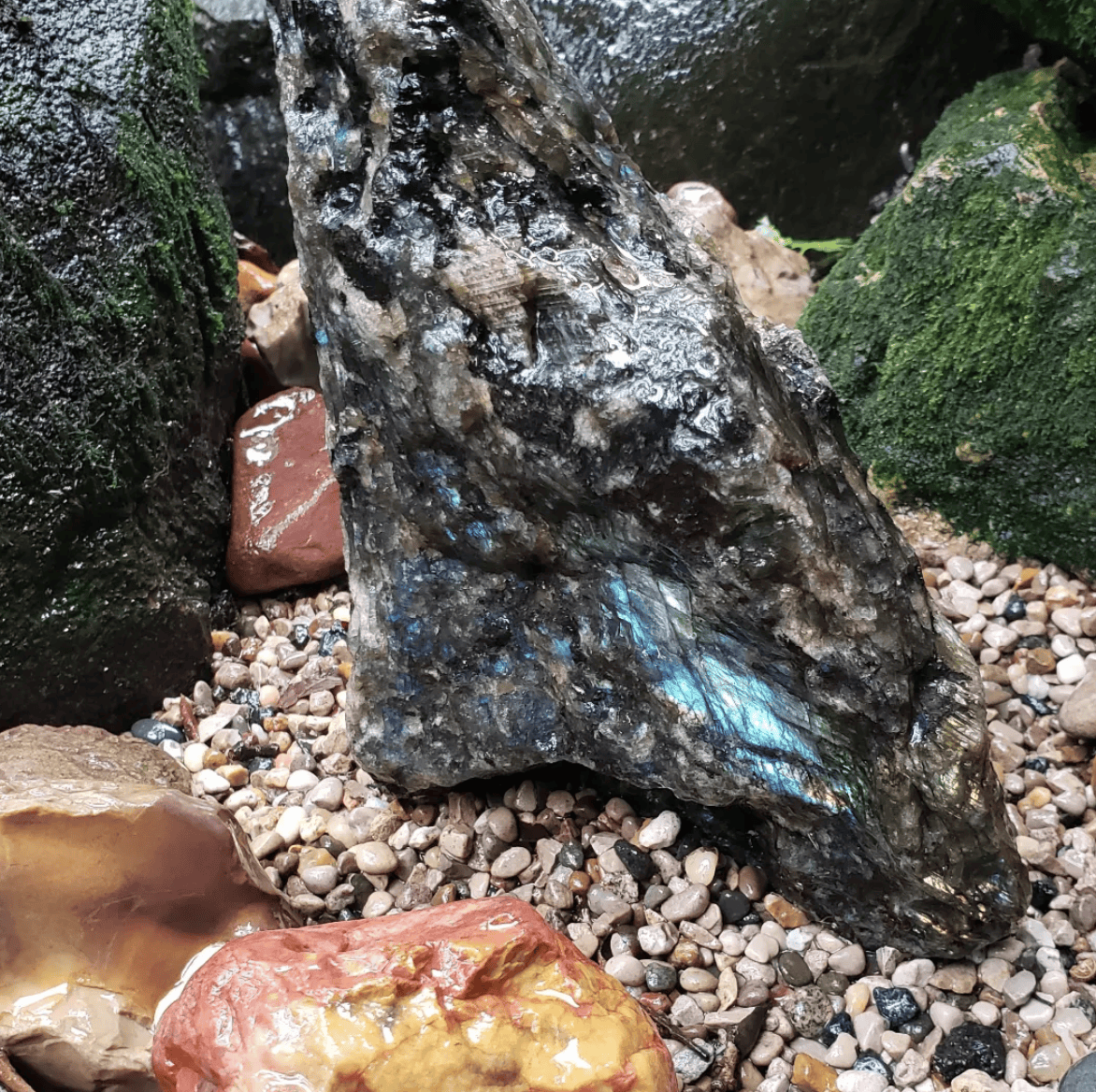
@bringdesigntolife says: “A rainy day micro rock garden reel. A closeup of the petrified dragon bone shard. (…Or does it look more like a dragon tooth?)”
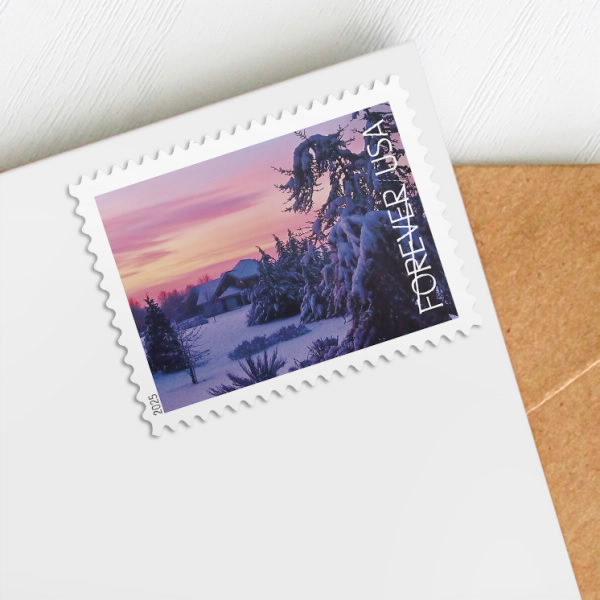
6. Winter Landscapes Stamp
I saw this stamp in December, and 100% thought it was a dragon overlooking the smaller trees and house.
Let us know if you’ve spotted any dragons recently 👀
READ MORE: