
Eco‑Poetry: Environmental Destruction
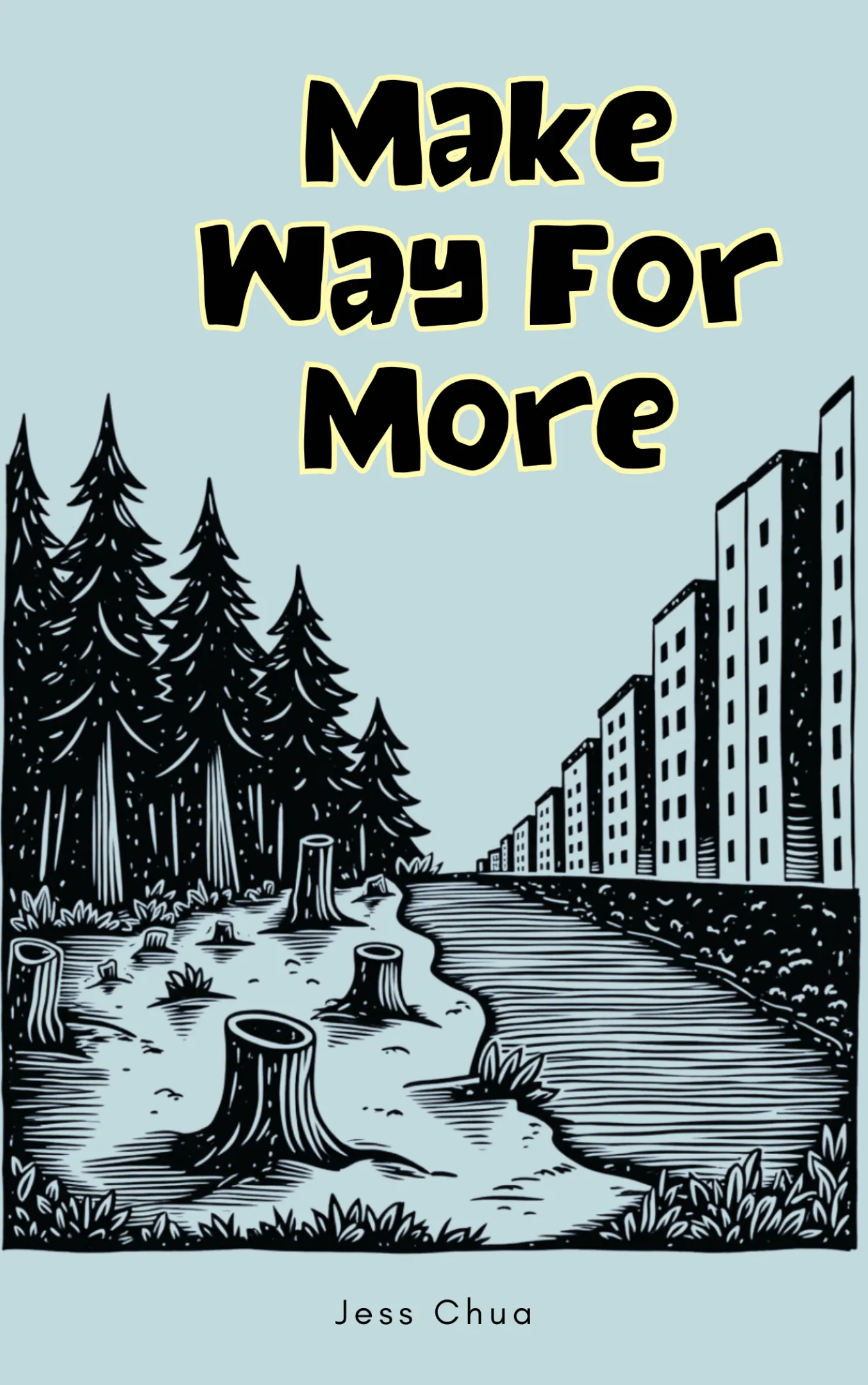
Oct 2026: This micro-chapbook gathers 11 poems written from the places where nature is disappearing faster than we can name it.
They’re field notes from the places I’ve lived, where the land didn’t survive the upgrade.
They echo themes found in the everyday moments where someone says “thank god it wasn’t my house” while the forest burns behind them.
Themes include:
– Wetland loss & housing development
– Consumer excess & environmental cost
– Forest clearing for commercial projects
– Childhood nature spaces destroyed
– Coastal erosion & dead water
– Everyday environmental grief
Available as an eBook, audio narration via YouTube, and below here on Dragonsinn.
݁.𖠰 ݁↟
1. eBook (PDF)
2. YouTube
Coming soon.
3. Poems
1. The Arsonist

hurricane season new year same cycle

“rebuild” is the mantra instead of maybe taking a look at how

environmental destruction and unchecked growth exacerbate the problem

ocean boiling TV blaring climate deniers rejoicing

another parcel of land turned into

another storage unit or mega size car wash

he said he snapped when he set fire to these new buildings

“Look at the Earth,” he said when asked why he did it

“We’re already burning it to the ground.”

first appeared in Hearth & Coffin (Jan 2024)

.𖠰 ݁↟

2. It Won’t Be Me

They cheered at milestones of
discovering fire
landing on the moon
jet plane travel
building bigger homes and complexes

They jeered at warnings of
burning fossil fuels
building cities on other planets
CO2 emissions
biodiversity loss and extinction

Even as the earth started
collapsing, burning

Even when their kids cried
for something better, fairer

“It’s not my concern,” they said.
“I won’t be seeing the worst of it.”

.𖠰 ݁↟

3. Make Way for More

Wild boars dashing to the end of the street, squealing

Scrub jays lost, homeless
Osprey confused, circling empty skies
Gopher tortoises, hit and run

Blood on the tarmac // Just another day in paradise

Wildlife confined to the
last token strip of woods behind
the crowning residence
at the end of the cul-de-sac

Developers’ greedy mouths
devouring the flora and fauna
for cookie cutter complexes
another subdivision of a suburban hell

Sign up front proudly proclaiming the community’s name // “The Pristine Enclave”

first appeared in The Coalition (Fall 2023)

.𖠰 ݁↟

4. Blank Slate

a realtor told us
ten thousand lots in the area
were up for sale
we thought he was joking
until a sign appeared
on the empty lot across the street
“we should buy it”
“can we spare thousands for it?”
until a bulldozer rolled in one morning
a loud rude yellow against the green
in two hours, it cleared what had stood
for two centuries or more
stripped bare for another boring build
blank as your expression
whenever you checked out of a conversation
blank as the neighbor’s gaze when
he’d terrorize the rest of the street with
daily 6 a.m. revs of his modified sports car
i always thought he was a dirtbag
until his crestfallen face
at the cleared lot beside him
when our gazes met across the lawn
over that tiny piece of woodland calm
that was now forever gone

.𖠰 ݁↟

5. 50/50

fifty years ago
they said the water was
“so clean and clear, you could drink it”—
so much so they named
the town after it

today, a factory restricted zone
looms behind the canal
right beside the main road

truck tires sitting like rocks
water bottles in stagnant, shallow pools
dead fish with dull, open eyes
that even starving scavengers
pass on

a weird smell that never goes away—
sulfur?
sewage?
decay?
groundwater contamination?

“we’ll drain this swamp
and let enterprising souls
turn it into paradise”
they also said
fifty years ago

.𖠰 ݁↟

6. d r i f t w o o d

my aunt had a home
with a private beach
she’d pick pieces of sea glass
worn smooth by the shore
as the waves came and went
with a sigh and lament

i was young, then,
clamming, picking up shells,
wondering if i’d stay and put down roots
or try something new
as the sea witnessed me
with curiosity

i was miles away when
my aunt sold the home
many years passed as i tried
another type of terrain
as the sea watched over
the home with no owner

when i wanted shells and driftwood
for a crafts project
i thought i could get some
on a return trip
but by the time i got there
the beach had been stripped bare

.𖠰 ݁↟

7. on the right side of the law

it was yet another marvel of engineering
with the industry awards to prove it
temperature-controlled for the best experience
safety-first footholds and handrails
to scale up an artificial rock face
the marketed thrill of the real deal

built by the same developer who
cleared actual protected forests
for blocking the view
of one of his projects

all he got was a
slap-on-the-wrist fine
from the environmental minister
his college buddy and in-law

you’d never go hungry here
or lose your way
or need to know how
to read a map and compass

in this rainforest built
on the bones of trees and wildlife
replaced
by a predictable path
snaking through a
leafbed of overpriced ticket stubs

.𖠰 ݁↟

8. meteorite

my mother chose this apartment
because it had a little park in front
a safe, circular patch of green,
trees reaching upward,
a clear pathway for cycling
or just walking by.

the trees gave us shade for free
in the brutal heat—
we heard about “upgrades” one day
the town had plans to modernize the space
which they did
with ruthless efficiency.

apparently
a concrete outdoor amphitheater
for random events
was a more purposeful use of the land.

the machinery came in
with offensive chainsaw growls
we listened to the low groan and boom
as each tree met the ground
a couple of hours and it was done
just a crater left behind,
not even a stump.
where do all the memories go.

at the end of a film roll,
i took a picture:
the frame burn added a blaze of fire
to the photo’s edge,
just like a meteorite
capturing the ferocity
of its impact crater.

.𖠰 ݁↟

9. fireworks

they sent it to the sky
stacked together: “it’s gonna go SO high!”

the tiniest spark
set the sapless woods ablaze in the dark

thousands of acres burned
destroyed by people who never learned

they went to the hospital, survived
lots of wildlife died—the land never lied

“thank God it wasn’t our house that burned,”
their mother triumphantly proclaimed

without a single ounce of shame.

.𖠰 ݁↟

10. the three R’s

when Molly was little
everyone knew the big recycling bin at school
“Reuse - Reduce - Recycle”
splashed across its front.
some kids tried their best,
while others showed up every week
with a new watch, new bag,
new phone cover, new shoes.
Molly kept her things until they broke
her parents were bargain hunters,
thrifters, repair‑first people.

as a teen, temptation crept in.
she started collecting skincare,
then clothes, then makeup
all wrapped in gorgeous boxes
that stocked up her cupboards
until she couldn’t close the doors.
her friends insisted, “we HAVE to buy it!”
and she listened
until her bank account hit zero
that’s when she asked herself:
do i really need all this stuff?

as an adult, eczema forced her
to pare down her skincare routine
moving to a small apartment
forced her wardrobe to shrink too.
she felt crafty one day
patched a pair of consignment‑store jeans
and posted the result online.
a small following gathered:
people who loved her recycled creations.
she wasn’t going to make a living
saving sad garments from the landfill

but at least it helped her sleep at night.

.𖠰 ݁↟

11. living space landfill

i was called excessive
for cutting down my belongings,
for decluttering, choosing reusable
glass containers over endless plastic.
they wrapped everything
in layers of packaging:
plastic on plastic
that would never break down.
they scorned when i refused
the things they no longer wanted,
as if my living space
was a landfill for overflow.
my clothes fit into
a single chest of drawers
theirs spilled across rooms
multiplying across continents
pushing ten pairs of the same pants,
when most wore only their favorite one.
plastic everywhere.
so. much. plastic.
water bottles, disposable plates,
cups, bags for everything.
they called recyclers
crazy and difficult,
as if none of us
had any impact at all.
and when i chose differently,
i was called excessive.

.𖠰 ݁↟

Closing Note

This collection sits at the edge of disappearing ecosystems: paved over wetlands, cleared forests, childhood parks turned into concrete. These poems are small witnesses written from the ground level.

I'm currently working on a Maine “somatic reset” micro-chapbook that explores a restorative counterpart. They're eco-poems that are shaped by recovery rather than rupture.