

Last year, I did a post on Batik Dragon Prints.
One of the articles had a photo of an intricate “Nyonya dragon embroidery” motif.
So here’s a post that brings together a selection of Peranakan dragon art ✨
Dragon Embroidery in Nyonya Kebaya
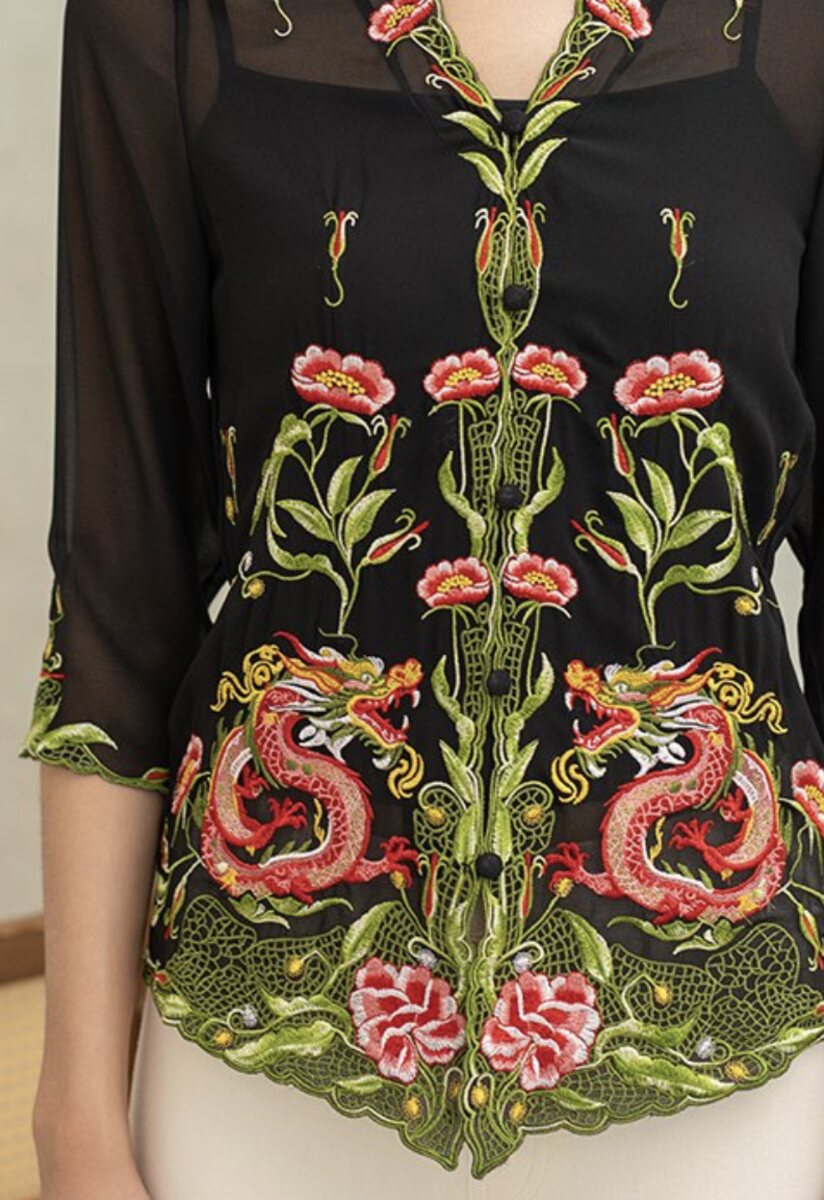
“Nyonya” and “Peranakan” Terms
Since I grew up in Southeast Asia, I heard these terms (and “Baba,” which refers to Peranakan men) quite often.
According to Faire Belle:
In the Peranakan community, “Nyonya” specifically refers to Peranakan women, and the term comes from the Malay word for “lady” or “madam.”
In countries such as Singapore, Malaysia, Thailand and Indonesia, where Peranakan people reside, Nyonya women are celebrated for their grace and elegance, which is often reflected in their traditional attire: Nyonya Kebaya.
Be sure to check out the rest of the article and admire the designs/photography on Faire Belle.
Dragons on Peranakan Altar Cloth
The Chinese dragons in the header image, fashioned after the Naga (Southeast Asian sea serpent version of the dragon) are from a mid-20th century Peranakan altar cloth.
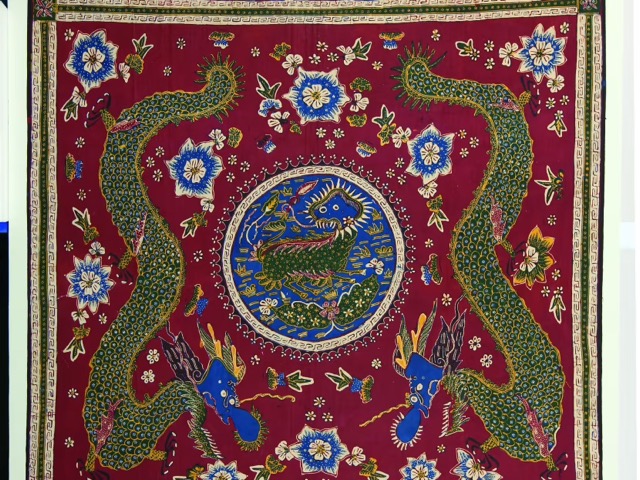
This altar cloth was part of the “Auspicious Designs: Batik For Peranakan Altars” exhibition at the Peranakan Museum in Singapore (2014).
Despite the strong presence of batik prints, altar cloths never caught on in the Straits Settlements region. According to the show’s curator, Maria Khoo Joseph, altar cloths “were more niche and more likely to be commissioned by families.”
Collector Alvin Yapp donated a 72-piece collection to the Peranakan Museum. He started collecting them after a friend gifted him an initial 10 pieces.
Yapp said that the “batik altar cloth pieces were not desirable to many collectors, who were more interested in collecting batik sarongs. . .[many I interviewed] thought it was a kind of curtain or used for doorways.”
Source: Today Online
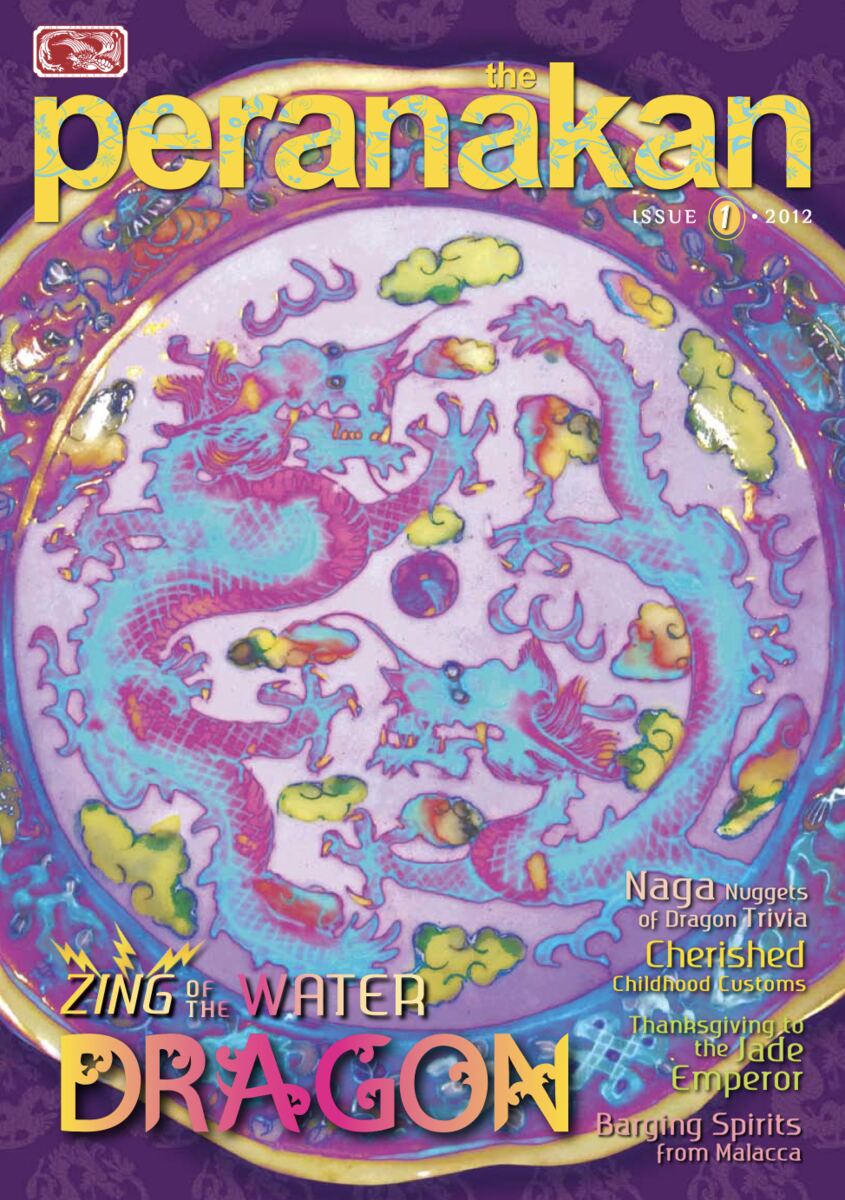
Peranakan Magazine Cover (water dragon; 2012)
Issue 1 of The Peranakan (2012; PDF) featured a late Qing dynasty scalloped-rim porcelain dish with dragon symbols (collection and
photography by Norman Cho).
Norman also wrote a nice article in this issue on the dragon’s origins.
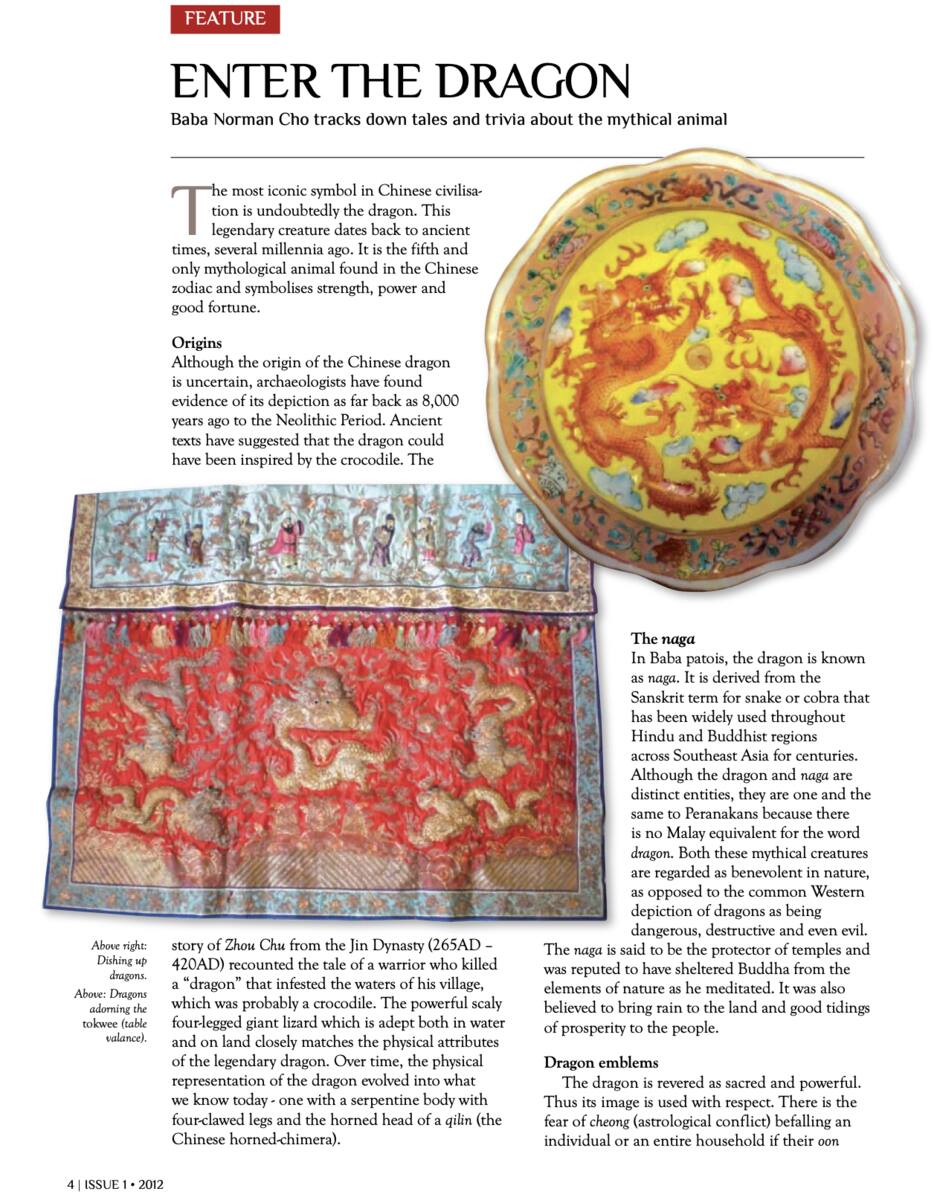
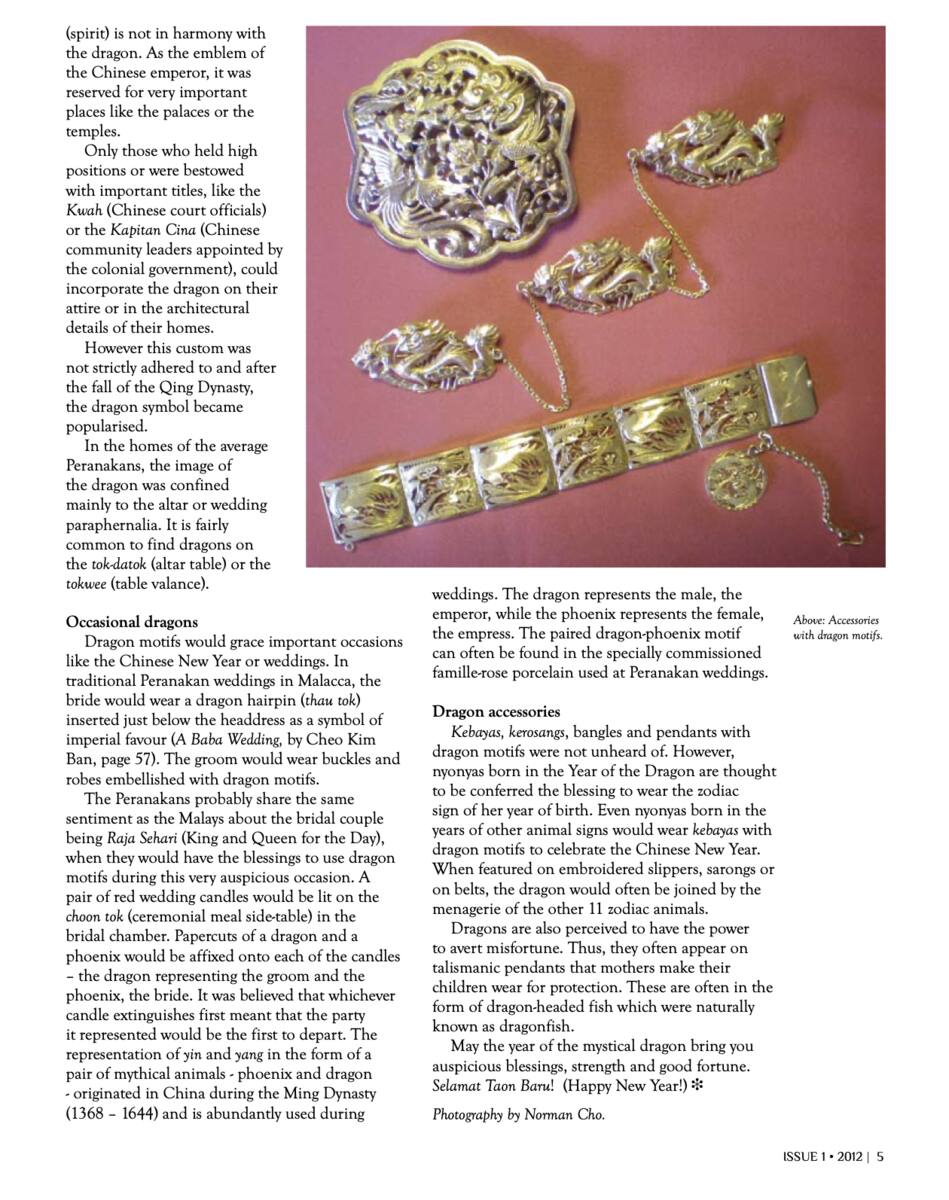
About the dragon in Peranakan culture:
In Baba patois, the dragon is known as naga. It is derived from the Sanskrit term for snake or cobra that has been widely used throughout Hindu and Buddhist regions across Southeast Asia for centuries.
The naga is said to be the protector of temples and was reputed to have sheltered Buddha from the elements of nature as he meditated. It was also believed to bring rain to the land and good tidings of prosperity to the people.
Source: Issue 1 of The Peranakan (2012; PDF)
Nyonyaware Covered Jar with Dragon
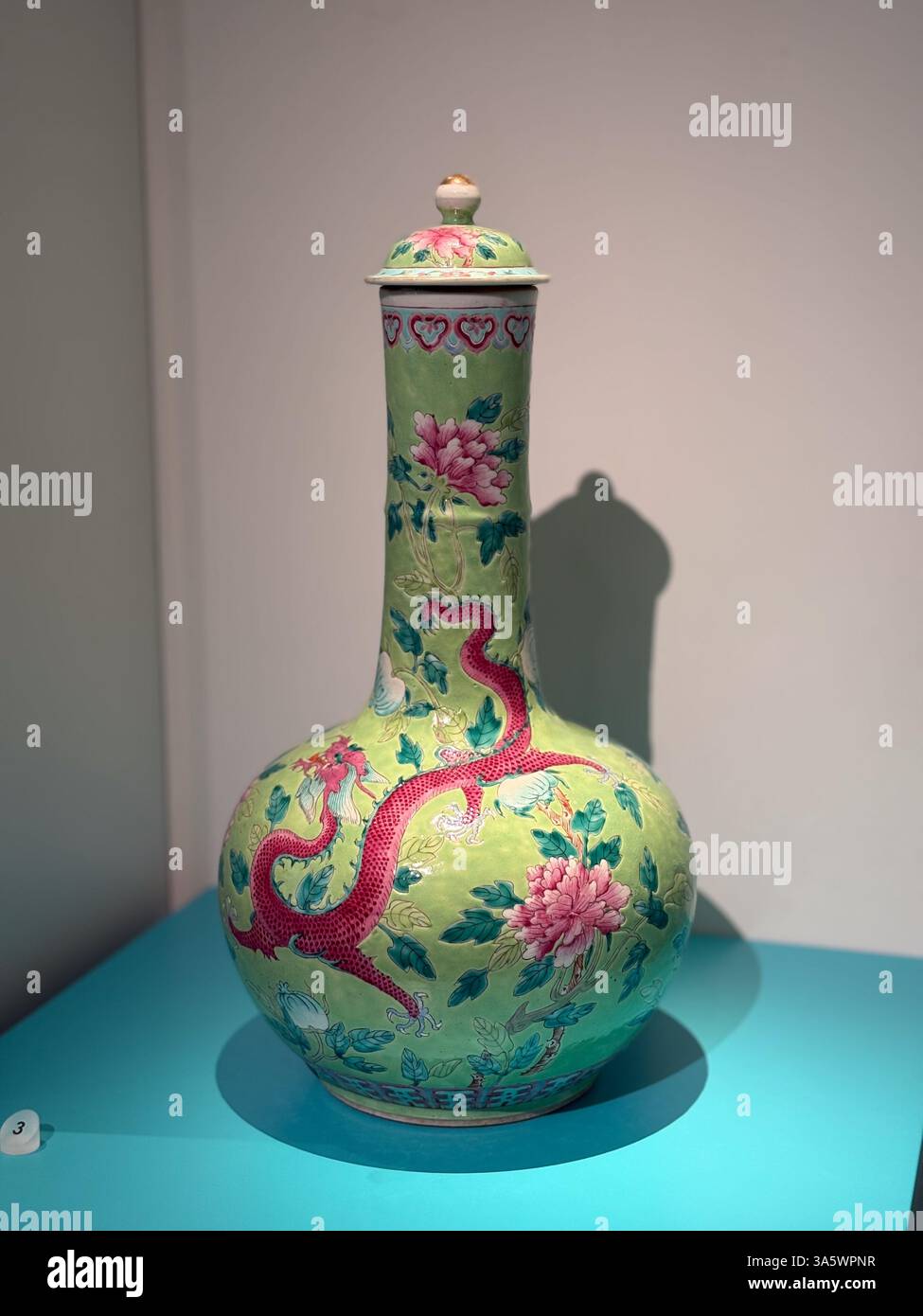
June Wan writes that this nyonya ware can be found at the ceramics gallery of the Peranakan Museum.
This vase is described as “an unusually-shaped Qing dynasty porcelain vase” featuring dragon and phoenix motifs.
READ MORE:
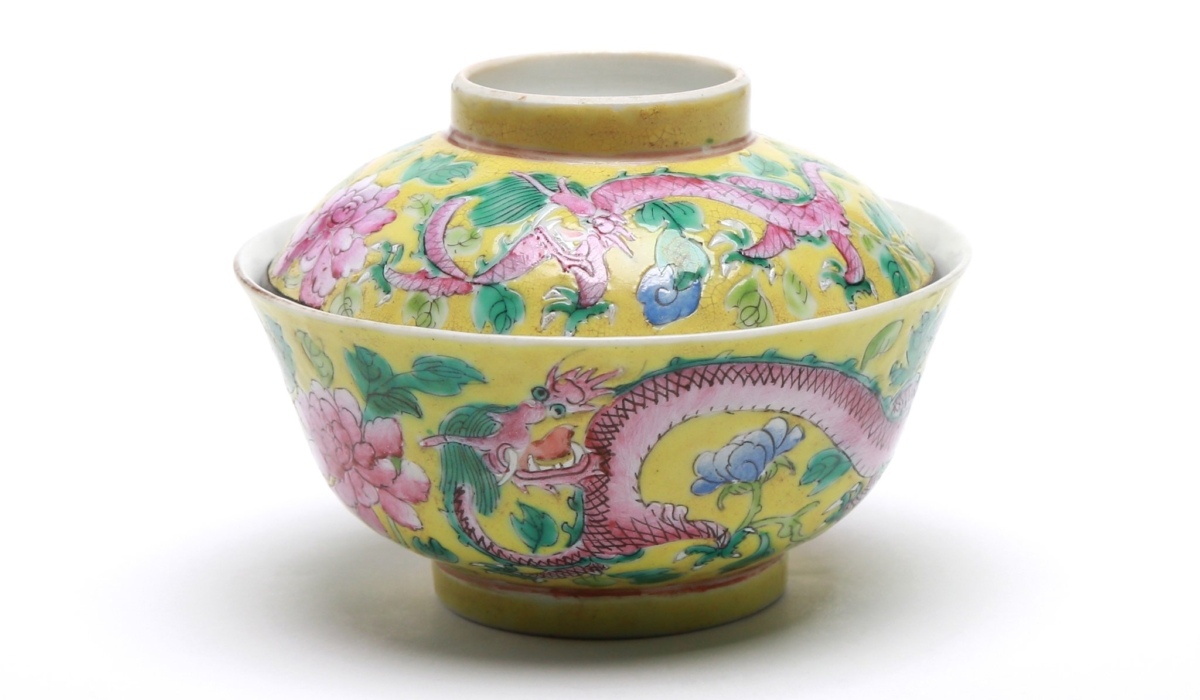
Porcelain Covered Bowl (Dragon & Phoenix)
Here’s another colorful and resplendent example of Nyonya Ware, distinguished by the “archetypal yellow background and distinctive shapes” associated with Peranakan communities.
Fine Famille Rose Porcelain Dragon & Phoenix Basin
From the Instagram caption:
“[This fine famille rose porcelain] wash basin with [features a] flying phoenix and dragon chasing a flaming golden pearl. . .with exterior decorated with various flowers, pheasants and butterflies.”
It comes from the Penang estate of Syed Sheikh Al-hady (1867-1934), Sayyid Sheikh being an important Malay novelist and scholar, from one of the most prominent Jawi Peranakan and Arab Peranakan families in Malaya and Malaysia today.
“Secret Recipe” Painting (by Tracy Oh Swee Ai)
Completed in 2023, “Secret Recipe” skillfully captures the intrigue of a dragon, who is drawn to peek inside a traditional Peranakan Kamcheng (covered jar).
Look closely to see a soaring phoenix in the center of the jar, amidst a backdrop of vibrant red peonies.
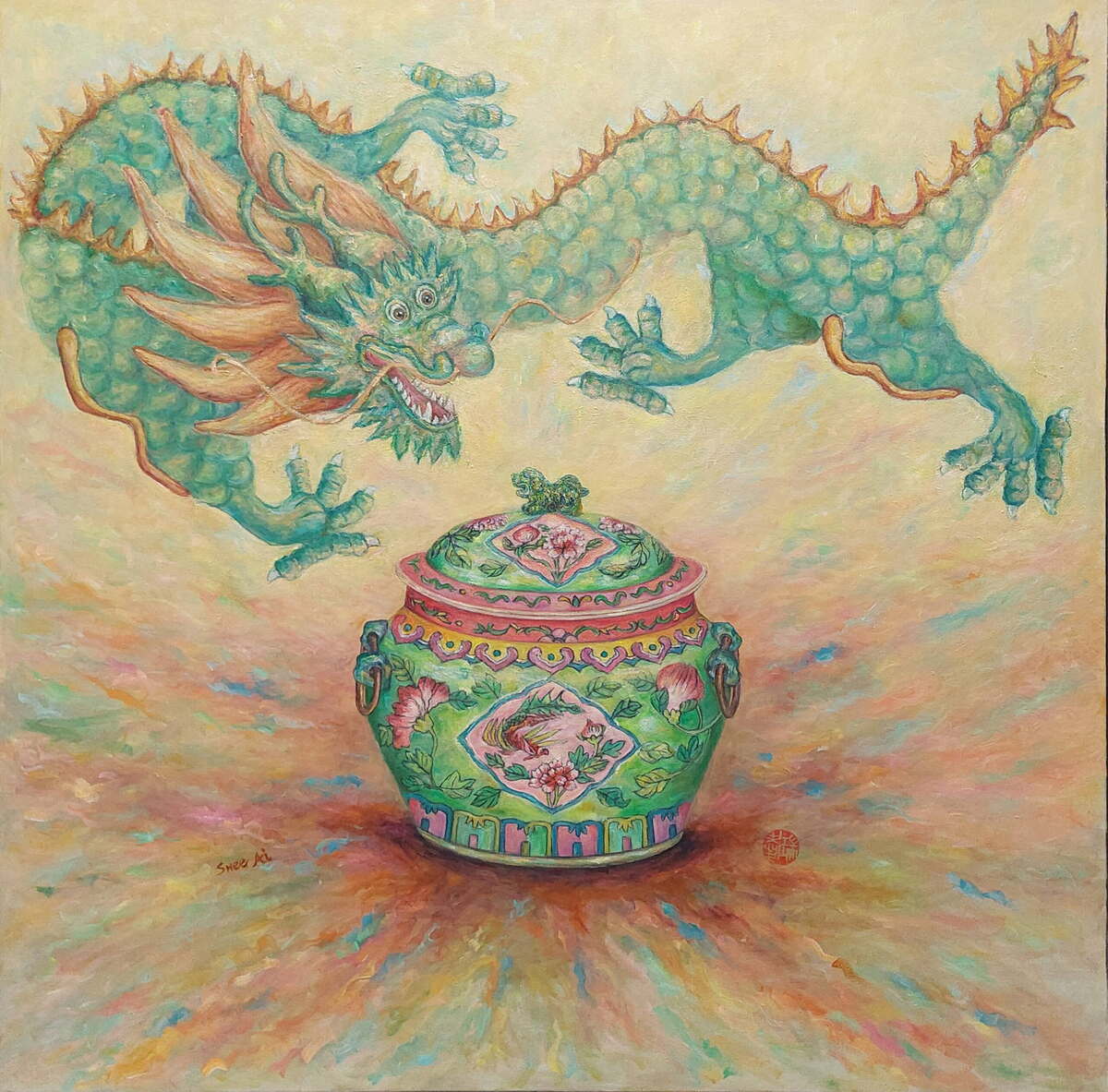
Tracy Oh Swee Ai is a painter who works predominantly with oils and watercolor. Art has always been her channel of expression.
With numerous exhibitions over the years, her artworks can be found in the collections of organizations, museums and private individuals.
Peranakan Dragon Sculpture
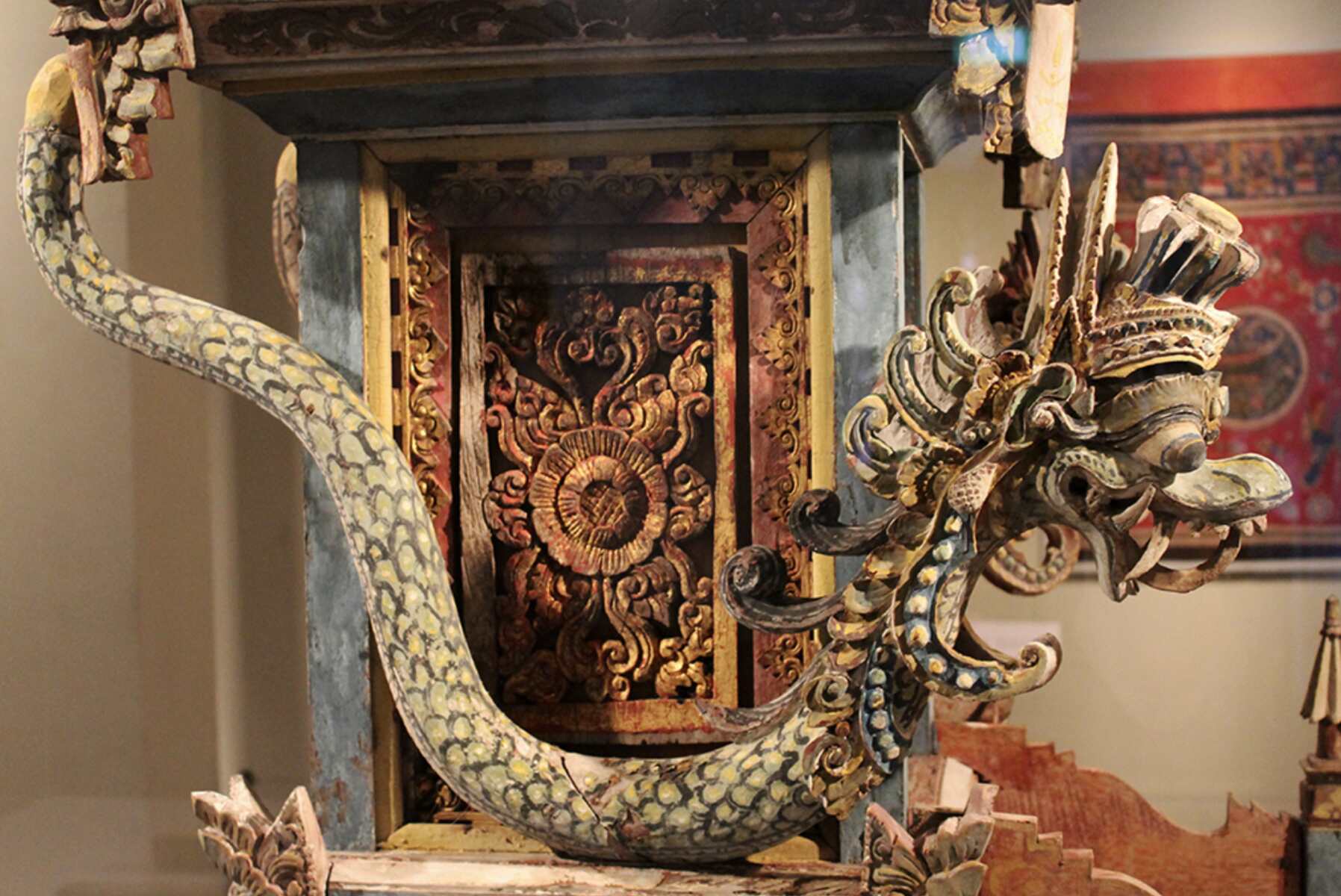
Thanks to Gracie Mutton for taking this great picture of a dragon sculpture at the Peranakan Museum (also fashioned after the Naga dragon).
READ MORE:
- My Art at German Dragon Museum [features a Naga sketch]